Retail and repeat purchases · Doka · 23/10/2026
Why should a customer return after the promotion ends?
A first purchase shows that an offer made it into the basket. The next purchase helps investigate what the experience left behind.
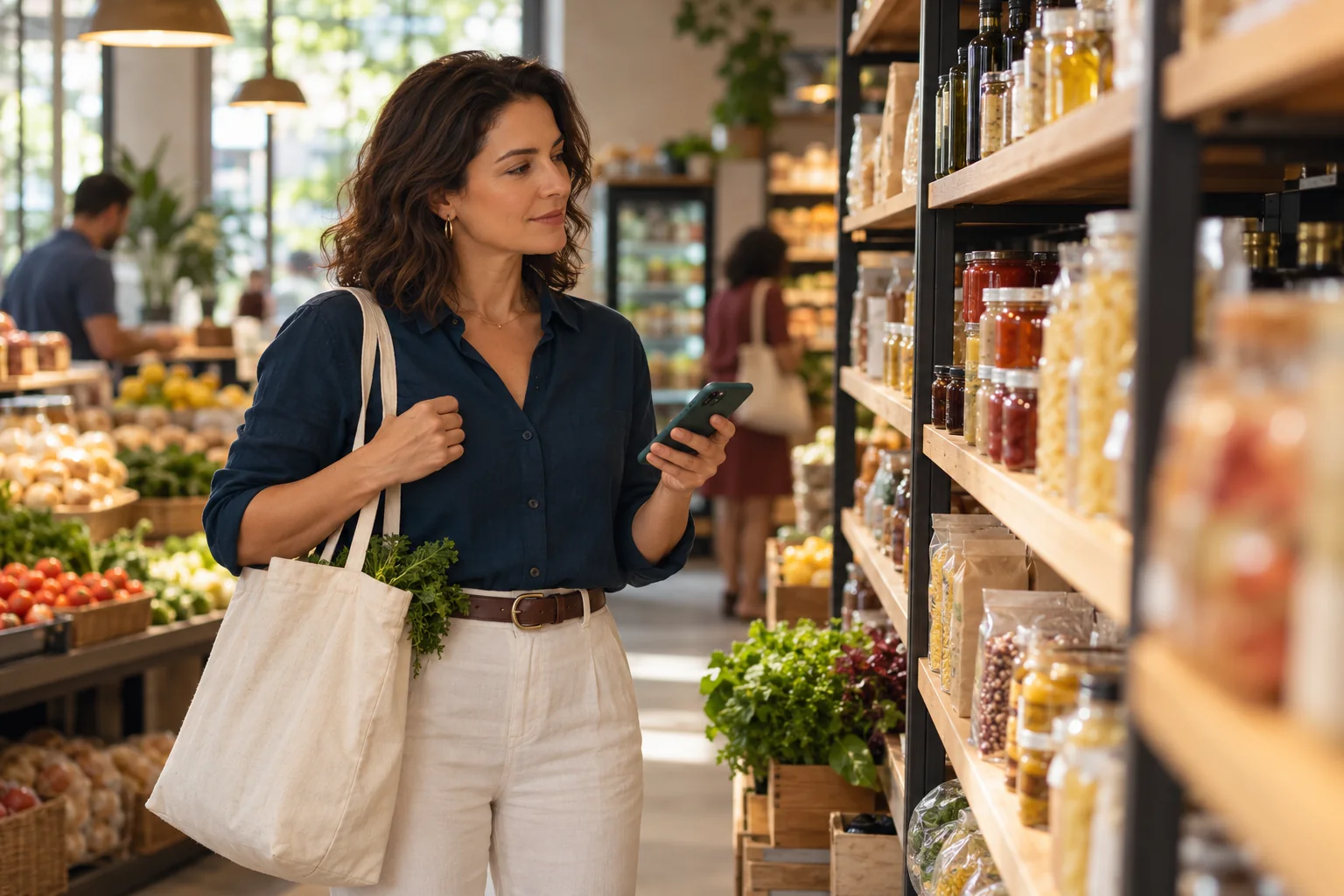
The same person may return because of convenience, availability, price or a lack of alternatives. Repeat purchasing matters, but it does not explain the relationship with the retailer on its own.
Returning is not the same as preferring
Understanding continued use requires distinguishing a recurring need from a choice of that retailer. Frequency, spending and basket variety may help where authorized records and comparable periods exist. They should not automatically become measures of satisfaction.
What remained outside the basket also matters. Did the customer find a substitute, finish shopping elsewhere or abandon the occasion? Without the rest of the journey, a retailer can celebrate a sale and miss its declining role in that routine.
Personalization needs context
A suggestion based on purchase history can save time or repeat something the person has already resolved. Its value needs assessment against the moment, shopping goal and control the user retains. More messages do not establish greater relevance.
Public experiences can reveal where a relationship becomes difficult. The number of visible complaints does not measure the share of customers affected. Analysis needs to examine the circumstances and recognize what remains unknown.
Three questions for the next decision
What explains the return? Separate purchases made during a promotion from later continuity, respecting the category's expected purchase cycle. Someone who has not needed another purchase should not be classified as lost.
What interrupts the routine? Investigate availability, delivery, returns and service before attributing a departure to preference for another brand.
What should the change improve? Define a bounded intervention and follow its effects. Doka's hypothesis is that removing a recurring difficulty may sustain a relationship better than adding promotional stimuli; that needs verification in each operation.
Why customers buy again in Brazil
For a Brazilian operation, investigate the basket cost in reais, delivery charges by region, availability for delivery or collection and the effort involved in a return. These are research variables; this article does not report a national repeat-purchase rate.
Research should reconstruct how the intended customers use neighborhood shops, supermarkets, cash-and-carry stores and online shopping. If a person divides purchases across channels, absence from one store alone cannot establish a loss of preference.
Editorial scope
A Doka editorial perspective for decisions in Brazil. Proposed hypotheses require investigation within each project. AI-generated illustrative image.