Automotive · Case
How do interior space and finish affect car choice?
An automotive company asked us to research how customers relate to vehicle interior space and finish in Brazil.
Insight
The automotive company’s brief requires understanding how an interior is experienced by drivers and passengers. Width, wheelbase and seat count describe vehicle features. The experience emerges when someone adjusts a seat, gets into the back, accommodates a child or packs for a trip.
Available space changes with the combination of occupants. An adjustment that lets a tall person drive comfortably may reduce accommodation behind them. The central interpretation is that a versatility promise needs to be examined through those situations to clarify whom the vehicle serves well.
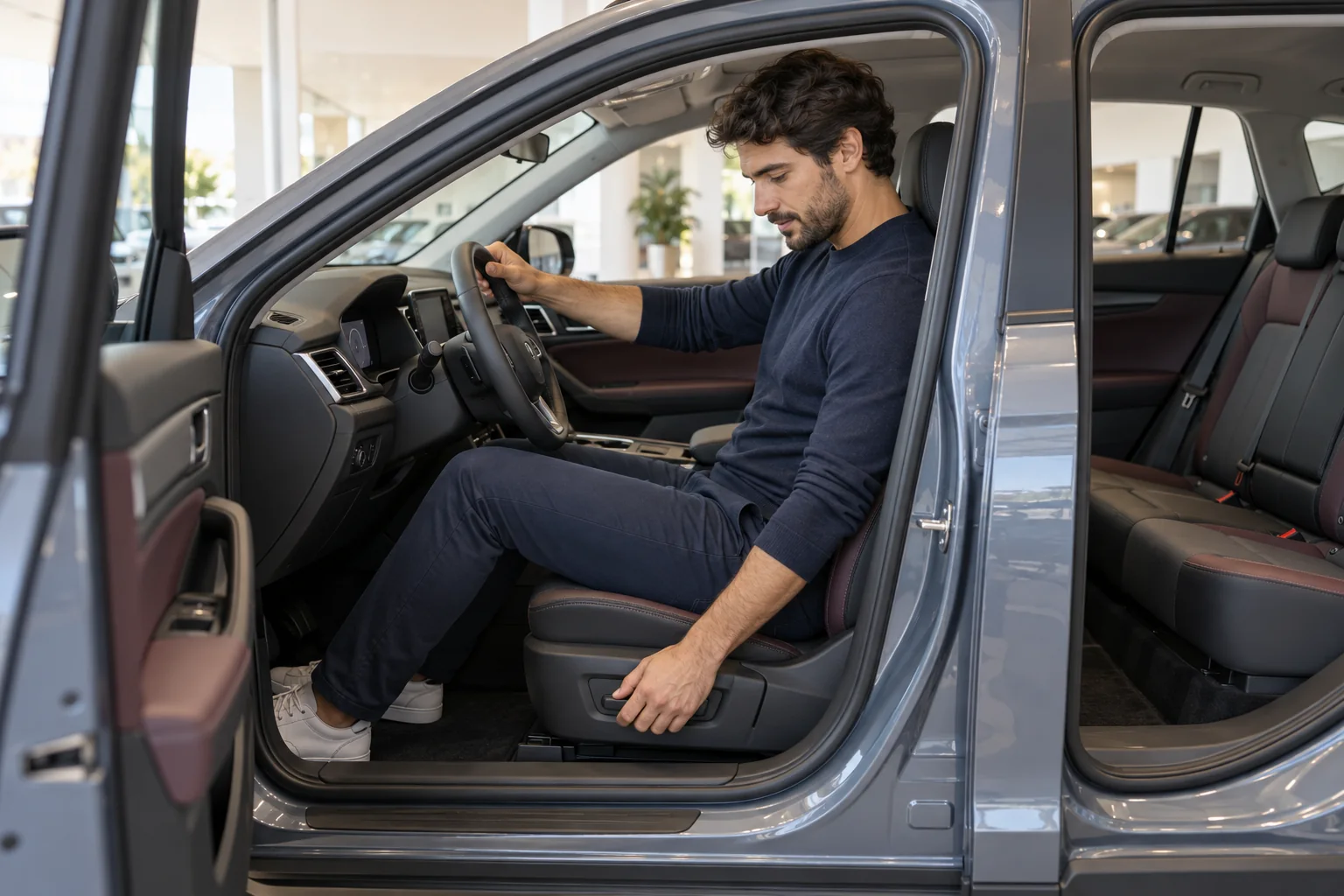
Finish also shapes experience beyond the first look. Touch, noise, ease of cleaning and expected durability influence how an interior is assessed. Appearance, comfort and suitability for use need to be understood together, without assuming that a material creates the same perception for every audience.
Vehicle promise
Space, comfort and perceived quality.
Use situation
Driver, passengers and everyday tasks.
Business decision
Demonstrate benefits and prioritize interior changes.
Business impact
This perspective brings product decisions closer to the tasks motivating a purchase. It helps define what to compare between versions, which features to demonstrate and where comfort claims need to be more specific. Assessing drivers and passengers can reveal compromises missed by a presentation focused only on the front seat.
For dealerships and communication, the value is in turning features into relevant demonstrations. For product teams, it lies in organizing priorities across accommodation, materials and everyday use. The options below show how this relationship can inform presentation and configuration before treating an initial impression as a purchase or lasting satisfaction.
Possible solutions
Demonstrate space through everyday tasks
Present the vehicle with the driver’s seat adjusted, rear seats occupied and luggage accommodated. Compare the experience of people with different heights and routines.
Assess finish beyond appearance
Investigate touch, noise, ease of cleaning and durability expectations. Use these assessments to prioritize materials and information relevant to the audience.
Connect configurations with use needs
Relate versions and interior features to the situations they accommodate. Reconsider comfort and versatility claims when the experience does not support the communication.